Carbonated filler applications

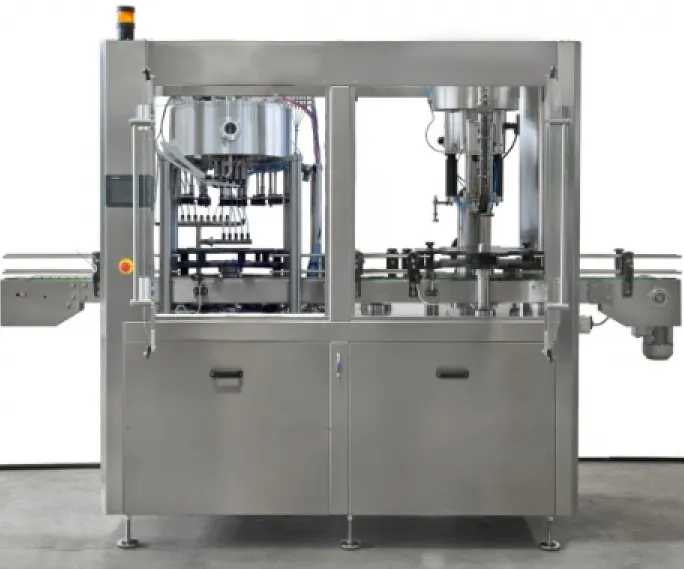
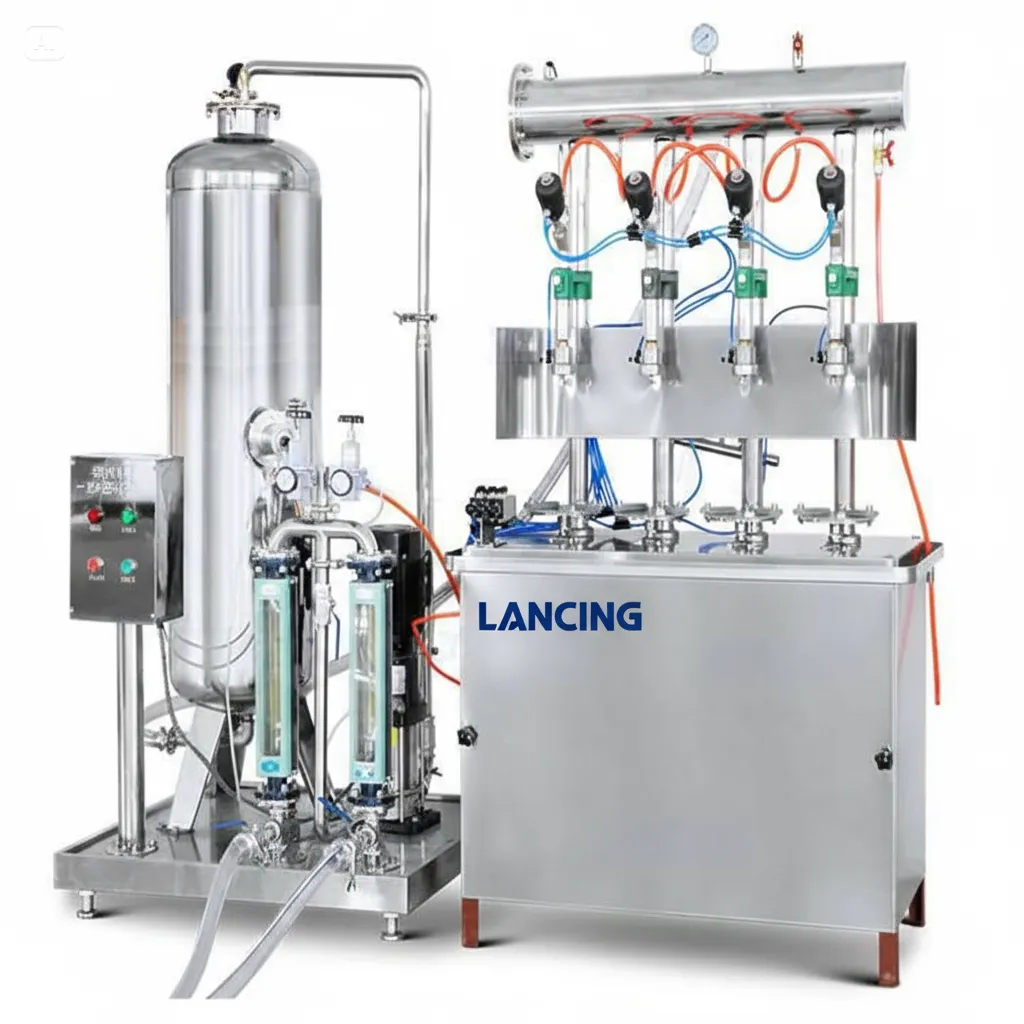
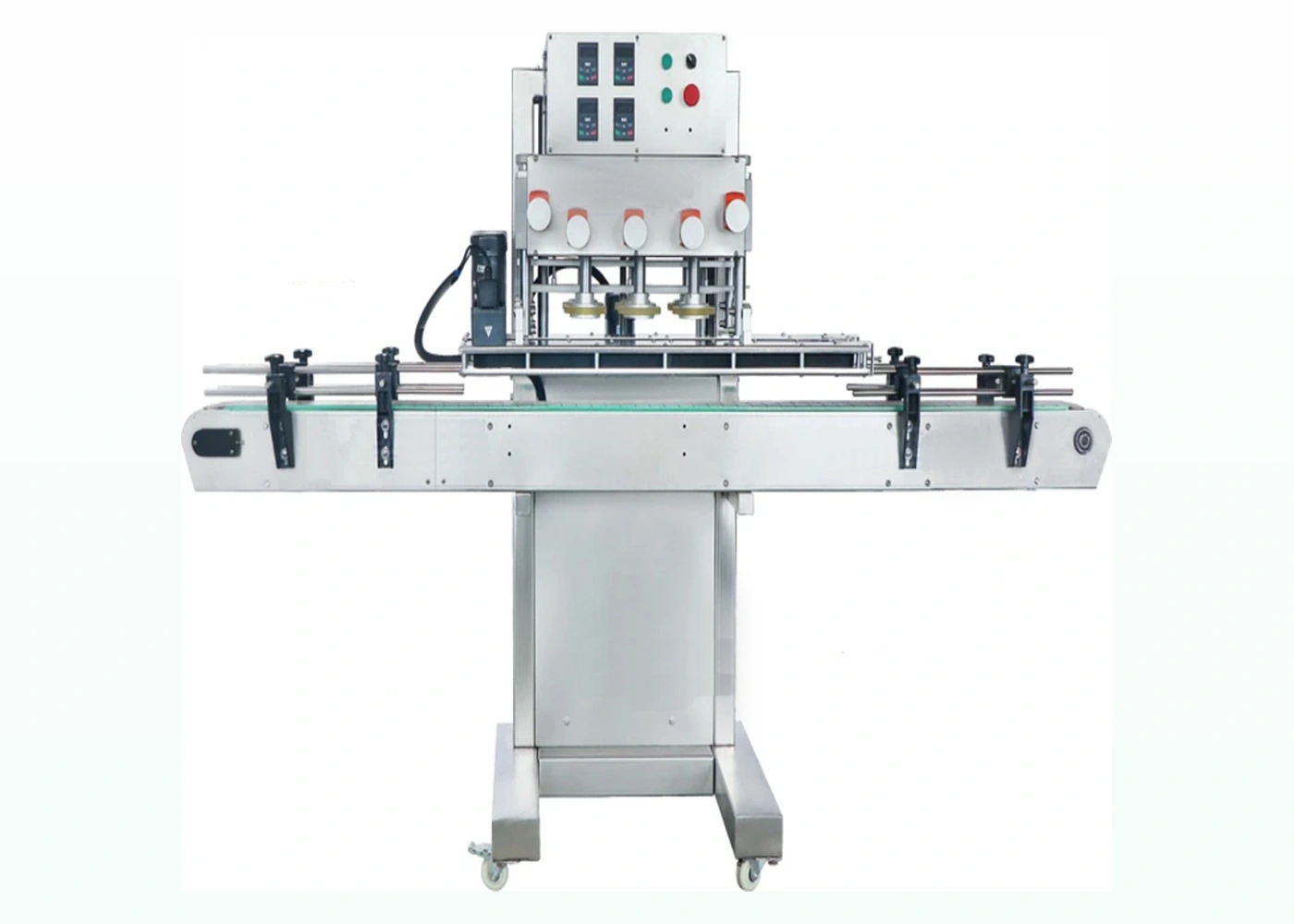
Carbonated filling machinery by drink type and pack format.

Match the machinery route to beer, cider, sparkling water, soda, RTD cocktails and other pressurised drinks.

Beverage applications

Start with how the drink behaves under pressure.

Each carbonated product creates its own filling, closure, hygiene and presentation requirements. The product name is useful, but the machine specification should still be built around real samples and production targets.

Beer and cider filling

Review oxygen sensitivity, foam, carbonation, product temperature and crown or other closure route.

Sparkling water filling

High carbonation and simple appearance make fill consistency and clean closure application important.

Soda and soft drinks

Flavour ranges and sugar content can affect cleaning, changeovers and filling behaviour.

RTD cocktail filling

Multiple SKUs, premium presentation and shorter runs often favour flexible compact or semi-automatic routes.

Seltzer filling

Can and bottle options need CO₂ retention and efficient changeover planning.

Sparkling wine cocktails

Presentation, carbonation and closure choice should be reviewed together for premium packs.

Application questions

Questions that change the machine specification.

  • Does the product foam heavily at normal filling temperature?
  • Is oxygen pickup a quality risk?
  • Is the container glass, PET or aluminium?
  • Will the line handle one product or many SKUs?
  • Is the closure manual, semi-automatic, automatic or part of a monoblock?
  • What output is needed now and after growth?

Start with a practical shortlist

Match your drink to the right carbonated filler

Send the product, pack format, carbonation, output target and closure details so Lancing can recommend a practical machinery route.

Carbonated filler FAQs

Questions buyers ask before specifying a machine.

Is the same filler used for beer and soft drinks?

The filling principle may be similar, but the specification depends on carbonation, temperature, hygiene, oxygen sensitivity, container type and closure.

Can carbonated filler projects handle multiple SKUs?

Yes, but the machine should be specified around the full SKU range, changeover frequency, container formats and expected operator workflow.

Which application details matter most?

The drink behaviour, container, closure, output target, utilities and any downstream packing requirements matter more than the industry name alone.

Application-specific evidence

Different carbonated drinks create different filling risks.

The same counter-pressure principle can serve several drink categories, but the specification should reflect the actual product. A brewery, a sparkling-water brand and an RTD contract packer may all need fizzy-drink filling, yet their acceptance tests can differ.

Beer and cider

Consider oxygen sensitivity, foam, crown or can seamer interface, temperature control and any DO/TPO measurement method required by the producer.

Soft drinks and sparkling water

Review carbonation level, chilled product route, PET or glass pressure suitability, cap specification and label presentation after filling.

RTD and contract packing

Focus on changeover, cleaning, recipe range, pack formats, line flexibility and documented sample acceptance.

Evidence to supplyProduct samples, container samples, closure data, target carbonation, filling temperature, output target and any shelf-life or oxygen requirements.
Evidence to agreeFill-level check, foam behaviour, closure or seam quality, operator changeover method and cleaning approach.
When another site owns the intentUse Automatic Filling Machines for general automatic filling searches and this site for carbonated pressure-filling intent.

For a project review, send product, pack, closure, temperature, carbonation and target output details through the carbonated filler enquiry form.

Questions buyers ask

Questions about changing products on a carbonated filling route.

The drink name alone does not determine suitability. Product behaviour, carbonation, temperature, hygiene and the intended pack have to be evaluated together.

Can one carbonated filler run beer, cider, sparkling water and RTDs?

One filler may be configured for several carbonated drink families, but suitability cannot be assumed from carbonation alone. The product list should identify sugar, pulp or solids, alcohol, foaming behaviour, oxygen sensitivity, allergens, cleaning constraints and target temperature. The most demanding products should be included in the selection and trial plan, with separate recipes and validated cleaning where required.

What changes when switching from a sugar-free drink to a syrup-based soft drink?

The filling principle may remain counter-pressure or isobaric, but viscosity, surface tension, foaming, residues and cleaning demand can change. A syrup-based drink may leave more product deposits and can react differently during decompression. The changeover plan should define product recovery, rinse or cleaning steps, recipe settings, first-pack checks and allergen controls where relevant to the actual formulations.

How do foaming behaviour and dissolved gas affect application trials?

Two drinks with the same stated carbonation can behave differently because temperature, formulation, nucleation sites, container condition and transfer history affect gas release. A useful trial records measured product temperature and carbonation, observes foam at each cycle stage and checks the closed pack after normal handling. Settings should be adjusted from evidence rather than by using one universal pressure or timing value.

When is product testing essential before selecting a filler?

Testing is particularly important when the drink foams unpredictably, contains suspended material, is highly oxygen-sensitive, uses an unusual container or closure, requires several product families on one machine, or has an output target close to the proposed machine limit. Testing is also valuable when upstream carbonation and temperature control are not yet stable, because those conditions can dominate filling performance.

Continue with where carbonation is created, multi-format filling, and the sample-trial protocol, or send the product and package details to Lancing for an application review.