Carbonated filling machine for sparkling drinks, with precision filling, high efficiency and hygienic production features

Carbonated filling machinery UK

Carbonated fillers for beer, soda, sparkling water and RTDs.

Specify the right counter-pressure or isobaric filling route for carbonated drinks in bottles and cans, from compact semi-automatic production to integrated filling, capping, seaming and labelling lines.

Machine options

Compare filling and closure equipment for carbonated drinks.

Review practical routes for carbonated drinks, including compact counter-pressure can filling, automatic isobaric filling and beverage closure equipment.

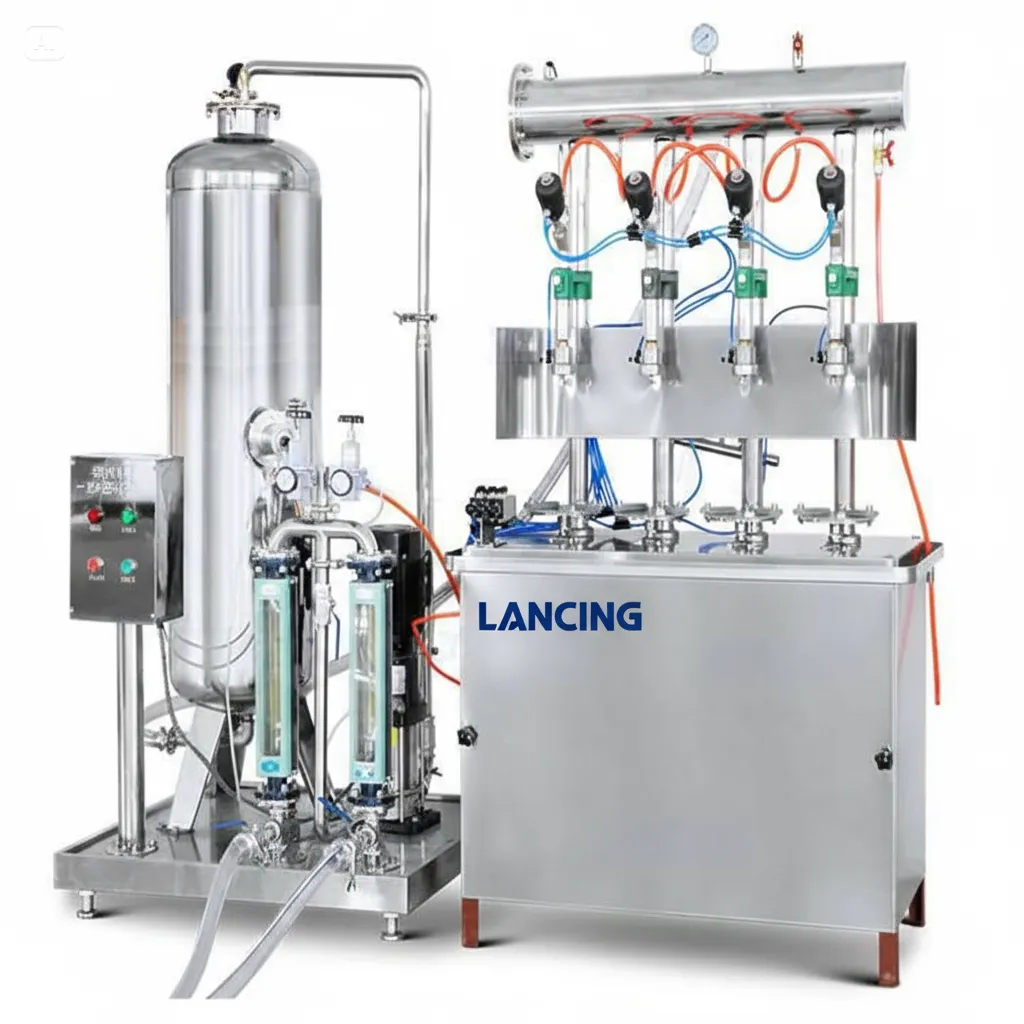
Semi-automatic isobaric counter-pressure can filler product photo
Semi-automatic isobaric can filler
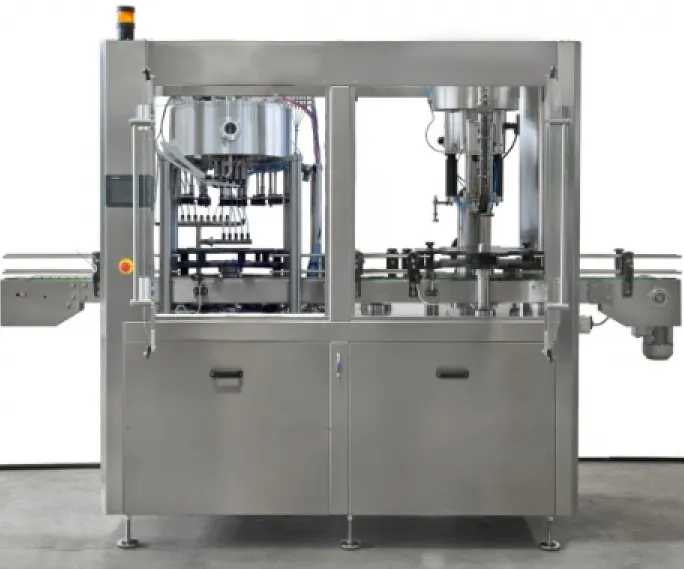
Automatic isobaric counter-pressure bottle filling machine product photo
Automatic counter-pressure filler
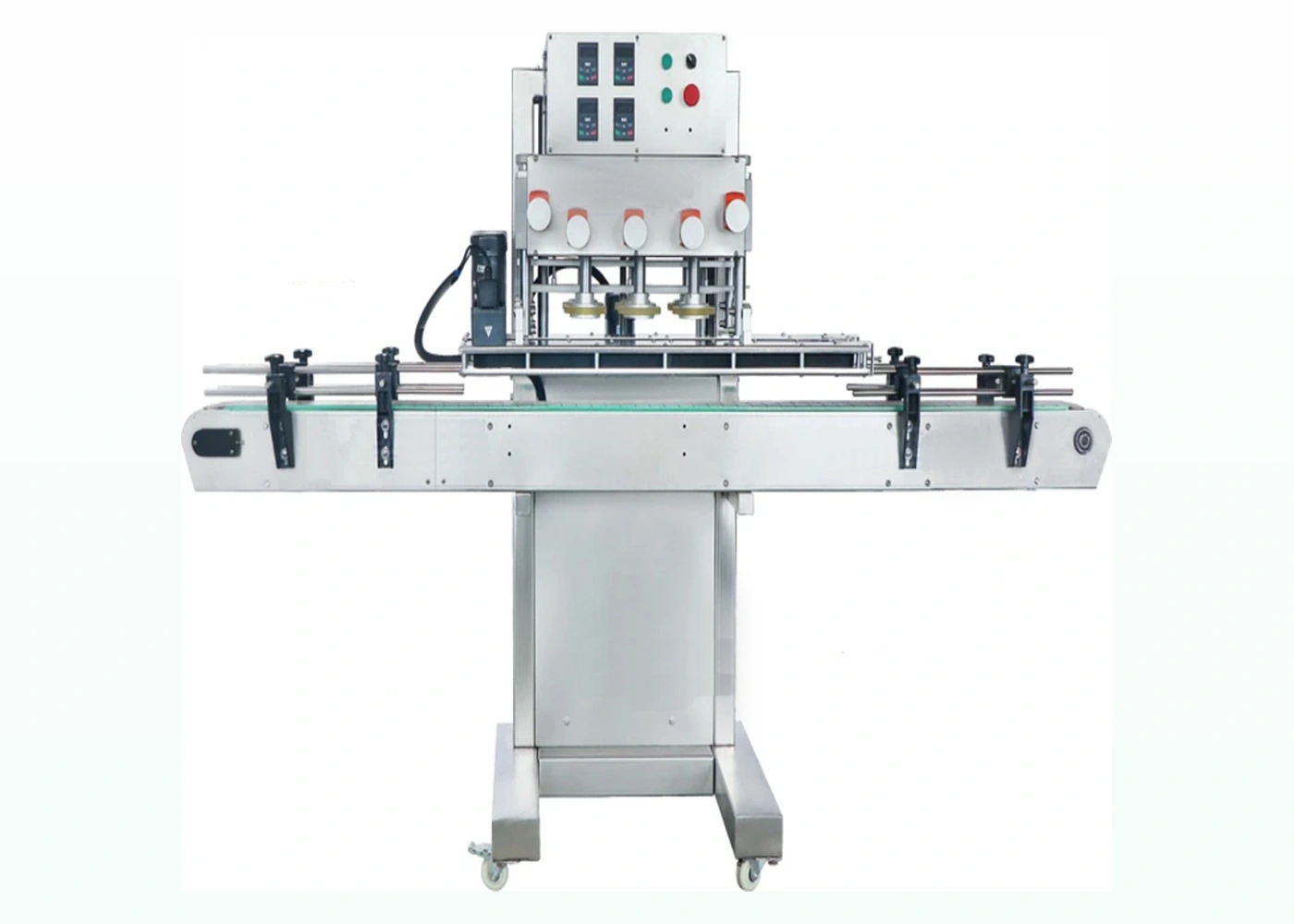
Automatic belt spindle screw capping machine product photo
Screw capping integration
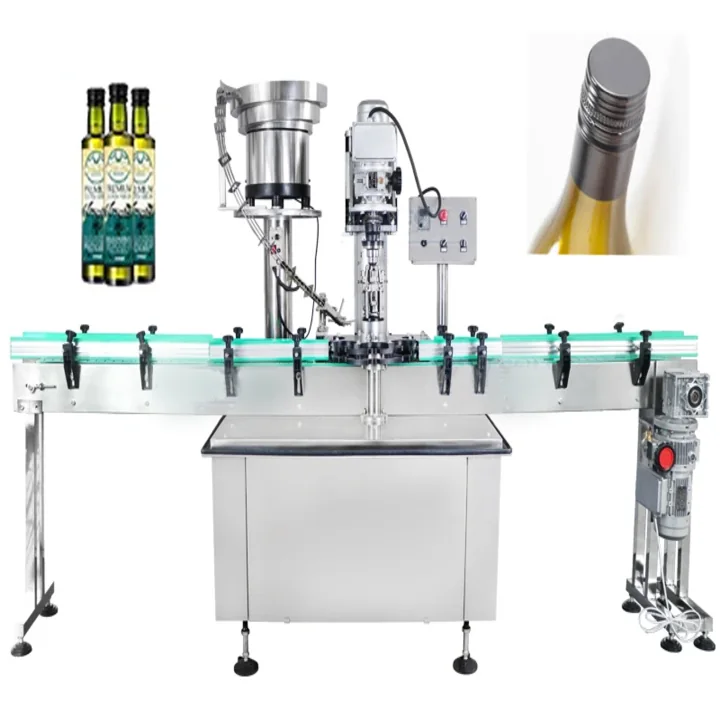
Automatic ROPP capping machine product photo
ROPP closure equipment

Machine routes

Built around pressure-controlled beverage filling.

Share your product, container and output requirements so the recommendation is based on your production needs and carbonated-drink process.

Useful project routes

Choose the route that matches your carbonated drink project.

Use these sections to compare carbonated filling machines, counter-pressure fillers, isobaric fillers, bottle filling, can filling, capping and complete lines.

Process-first explanation

Why counter-pressure matters for fizzy products.

With a carbonated drink, the filling head must manage pressure rather than simply deliver liquid volume. The container is pressurised, the drink is transferred under controlled pressure, and the closure is applied quickly to protect carbonation and presentation.

  1. Chill the product and container route.Lower product temperature helps reduce foaming during transfer.
  2. Purge or pressurise with CO₂.The container is prepared before the valve opens.
  3. Fill under balanced pressure.The liquid enters gently so CO₂ is retained and foam is controlled.
  4. Cap or seam without delay.The closure stage protects the filled drink and supports shelf presentation.

Start with a practical shortlist

Send your carbonated drink filling requirement

Tell us the product, container, closure, target output and whether the project is a single machine or complete line. We will help you choose the right route before you commit to a specification.

Carbonated filler FAQs

Questions buyers ask before specifying a machine.

What type of filler is used for carbonated drinks?

Carbonated drinks normally need counter-pressure or isobaric filling so the bottle or can is pressurised before filling. This helps control foam and retain CO₂ compared with simple gravity or pump filling.

Can the same project include filling and capping?

Yes. Carbonated drink projects are often planned as a route that includes filling, capping or seaming, conveyors, rinsing, labelling, coding and support around changeovers.

What details are needed for a useful quote?

Send the drink type, carbonation level if known, container size, bottle or can format, closure, target output, available utilities and whether you need a standalone filler or a complete line.

Technical evidence for better specification

Specify the filler around pressure, temperature and the closure route.

A reliable carbonated filling specification starts with the practical production questions that affect foam, carbonation retention and container transfer. Reviewing those points before quotation reduces the risk of choosing a filler that appears suitable but cannot maintain the required fill quality or feed containers cleanly into capping or seaming.

Lancing normally needs the drink type, target carbonation in volumes of CO₂ if known, product temperature at filling, container size, bottle or can material, closure specification and the target output. Where the product is beer, cider or a low-oxygen beverage, dissolved oxygen and total packaged oxygen expectations should be treated as measured acceptance criteria rather than broad marketing claims.

  • Confirm product temperature at the filler, not only at the tank or chiller.
  • State carbonation level or target sensory profile so pressure and foam risk can be reviewed.
  • Confirm whether the project needs bottle filling and crowning, screw capping or ROPP capping, or can filling and seaming.
  • Agree practical evidence such as filled-sample appearance, fill-level consistency, foam behaviour and closure quality.

Specification evidence

Make the carbonated filling route measurable before the quotation stage.

A carbonated filler should be selected from the behaviour of the drink and package, not just from the nominal bottle or can size. Foam, carbonation retention, oxygen pickup, product temperature and the closing stage all affect the practical machine route.

For a stronger recommendation, send Lancing the carbonation target if it is known, the product temperature at the filler, the container drawing or samples, the cap, crown or can-end details and the target output. For beer, cider and other oxygen-sensitive products, dissolved oxygen and total packaged oxygen should be discussed as measured acceptance points rather than assumed from machine type alone.

Evidence to agreeProduct temperature at fill, carbonation volumes or target profile, filled appearance, foam behaviour, closure quality and acceptable sample checks.
Line interfaceConfirm whether the project needs direct transfer to a crowner, screw capper, ROPP capper or can seamer.
Acceptance routeUse a practical FAT or SAT checklist where machine operation, operator access, cleaning and sample quality can be reviewed together.

Final specification resources

Technical checks that help carbonated filler quotes move faster.

Carbonated filling projects are easier to price and approve when the key engineering checks are agreed early. Use the new technical library to prepare product, package, CO₂, oxygen, closure and acceptance information before asking for a final quotation.

Questions buyers ask

Common questions before choosing a carbonated filling route.

These answers help a brewery, soft-drink producer or contract packer decide what to measure before comparing machinery. The final configuration still depends on the actual drink, package and closure samples.

How do I know whether my drink needs counter-pressure filling?

A carbonated drink normally needs a filling process that keeps the package and product under controlled pressure while product enters the container. Counter-pressure or isobaric filling is generally considered when an open or gravity fill would release dissolved carbon dioxide, create excessive foam or make the fill level unstable. Product temperature, carbonation target, package type and closure timing must be reviewed together rather than from the drink name alone.

Can Lancing review a carbonated filling project before every specification is known?

Yes. Lancing can review an early-stage project when the unknowns are identified honestly. A useful first brief states the drink family, whether it is already carbonated, the intended bottle or can, closure or can end, approximate production objective and available site utilities. Unknown carbonation, temperature or pack details can then become a defined testing and information plan instead of an assumed machine specification.

Which product and pack samples make a carbonated filler enquiry more useful?

The most useful enquiry provides representative empty containers, closures or can ends, labels where handling clearances matter, and enough product information to describe carbonation, expected filling temperature and foaming behaviour. Physical samples allow neck finish, can dimensions, stability, sealing interfaces and change-part requirements to be checked. A sample trial may still be required before output or filled-pack quality is accepted.

What is the quickest way to compare a compact filler with an integrated line?

Compare the complete operating task, not only the filler price or nominal speed. Record who loads and unloads packs, where rinsing or purging occurs, how closures are supplied, how quickly the pack is closed, what quality checks are required and how many format changes are expected. A compact machine may suit controlled small batches; an integrated line is usually considered when labour, continuous transfer and coordinated closure become central to the production target.

Continue with the carbonated filling machine range, how carbonation is created and preserved, and why ordinary liquid fillers are not a direct substitute, or send the product and package details to Lancing for an application review.