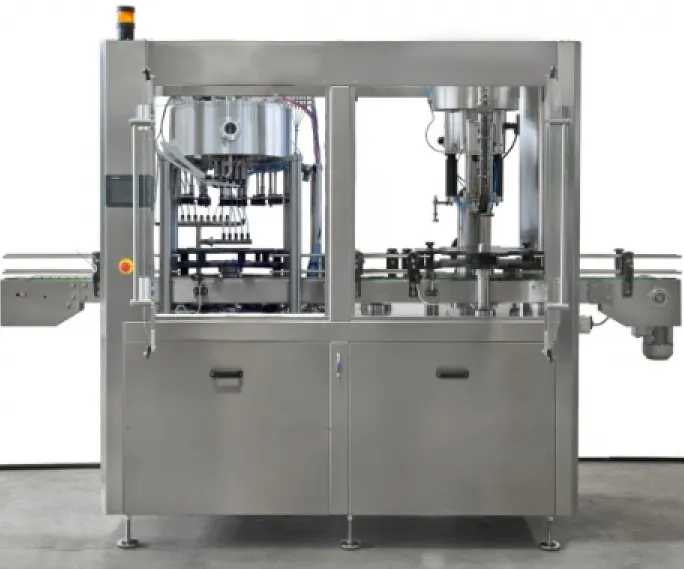
Buyer guide

How to choose a carbonated filler.

A practical specification guide for carbonated drink producers comparing counter-pressure fillers, isobaric fillers, can fillers, bottle fillers and complete lines.

Step-by-step

Seven checks before you shortlist equipment.

  1. Define the drink.Beer, cider, soda, sparkling water and RTDs behave differently under pressure and temperature.
  2. Confirm carbonation and temperature.CO₂ level, product temperature and foaming risk affect the filling route.
  3. Confirm the container.Glass, PET or aluminium cans require different handling and closure equipment.
  4. Confirm the closure.Crown, screw, ROPP and can seaming routes have different tooling and integration needs.
  5. Set a realistic output.Containers per hour, shift length and operator availability matter more than catalogue speed alone.
  6. Plan changeovers.Multiple sizes or SKUs may change the best automation level.
  7. Plan support.Installation, commissioning, spares and aftercare should be part of the purchasing decision.

Machine decision table

Which carbonated filler route suits the project?

Launch, trials or small batchesCompact semi-automatic counter-pressure filling, especially where budget and footprint are controlled.
Growing can productionFour-head or multi-head can filling with seaming and changeover planning.
Growing bottle productionAutomatic isobaric bottle filler with closure equipment reviewed at the same time.
High integration requirementComplete filling, capping or seaming, labelling, coding and conveyor line.

Quote-ready brief

Use these details in your enquiry.

Product: drink type, carbonation level, product temperature and foaming behaviour.

Container: bottle or can size, material, dimensions, neck finish or can end.

Closure: crown, screw cap, ROPP, seaming or other closure, with supplier technical sheets if available.

Output: required containers per hour, shift pattern and future growth target.

Line scope: filling only, fill-and-cap, fill-and-seam, labelling, coding, conveyors or complete line.

Factory details: utilities, footprint, access, washdown needs and installation timing.

Start with a practical shortlist

Send a quote-ready carbonated filler brief

Use the checklist above and include samples, dimension sheets or photos where available.

Carbonated filler FAQs

Questions buyers ask before specifying a machine.

What is the first question when choosing a carbonated filler?

Start with the product, carbonation level, container and closure together. Choosing the filler before understanding the bottle, can or closure can lead to poor integration.

What output figure should I give?

Give the target containers per hour and the shift pattern. Also state whether this is the launch requirement or a future growth target.

Do I need to send samples?

Samples are strongly recommended because they allow practical checks around container stability, cap fit, pressure behaviour, fill presentation and changeover needs.