Carbonated bottle filling machines

Carbonated bottle filling machinery for glass and PET drinks.

Plan counter-pressure bottle filling with the closure, label and line layout considered from the start.

Filling route

Fill behaviour, bottle handling and closure control in one line plan.

Carbonated bottle lines should be specified around how the drink behaves under pressure, how stable the bottle is during filling and how quickly the closure can be applied afterwards.

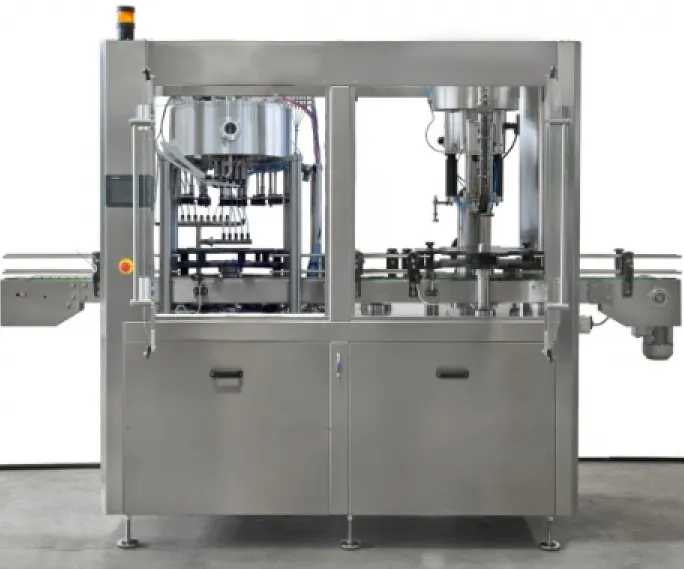
Automatic isobaric counter-pressure bottle filling machine product photo

Counter-pressure filling

Pressurises the bottle before filling to reduce foam and protect carbonation.

Bottle rinsing

Can be included where hygiene, dust removal or presentation demands it.

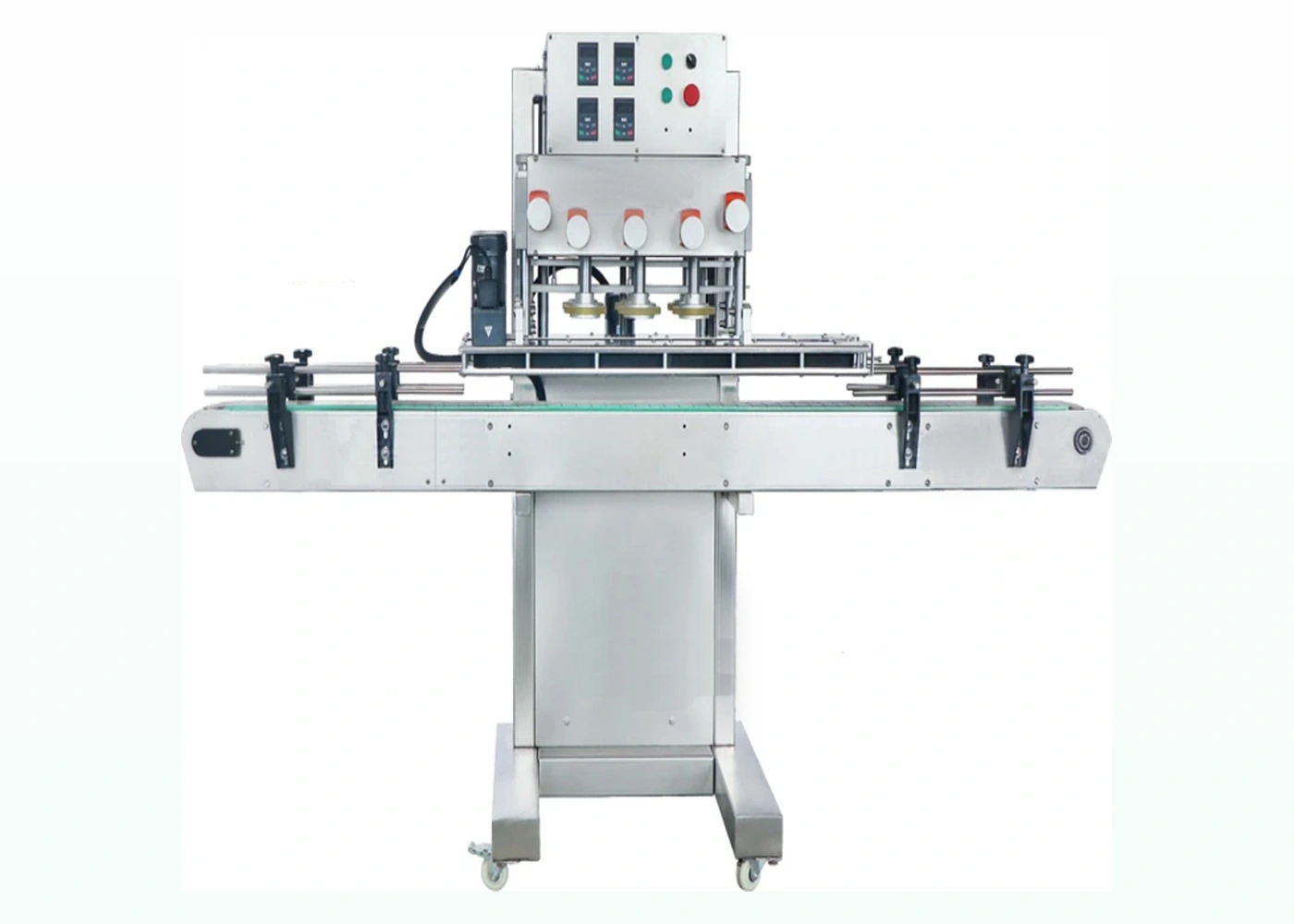
Automatic belt spindle screw capping machine product photo

Capping or closure

Closure selection should be reviewed with real bottles and cap samples.

Labelling and coding

Label position, code placement and reject logic are easier to plan early.

Closure options

Capping choices for carbonated bottles.

Crown capCommon for beer and some glass-bottle carbonated drinks, normally requiring dedicated closure equipment.
Screw capRelevant where a threaded closure, repeatable torque and bottle stability can be confirmed.
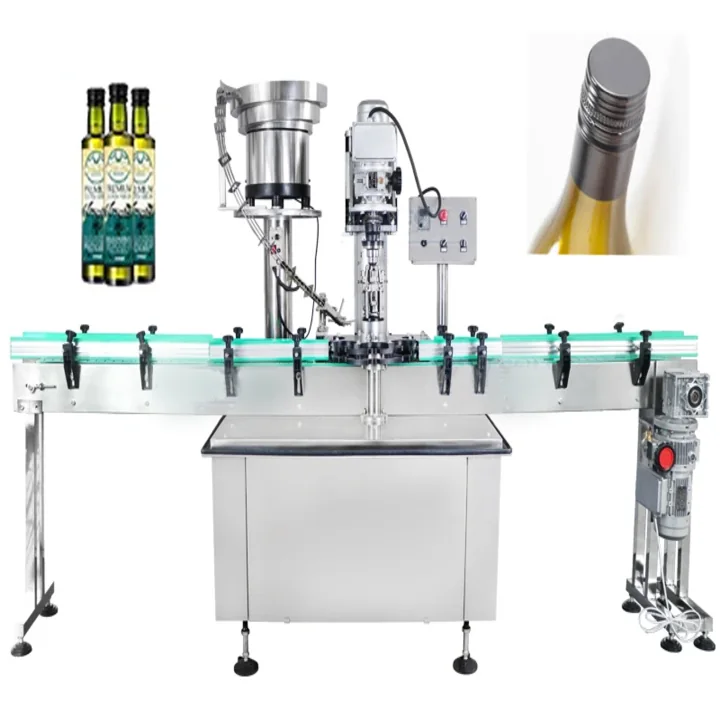
ROPP closureRoll-on pilfer-proof aluminium closures can suit beverage and premium glass-bottle applications.
Specialist closuresConfirm pressure, tamper evidence, liner performance and presentation requirements with samples.

Start with a practical shortlist

Plan a carbonated bottle filling project

Send bottle samples or dimension sheets, closure details, product information and required output so the filler and capper can be reviewed together.

Carbonated filler FAQs

Questions buyers ask before specifying a machine.

Can carbonated drinks be filled into glass and PET bottles?

Yes, but the bottle material, neck finish, base stability, pressure rating and closure route must be checked before the machine specification is agreed.

Which closure should I choose for carbonated bottles?

The closure depends on the bottle and market. Crown caps, screw caps and ROPP closures may all be relevant, but torque, tamper evidence and carbonation retention should be reviewed with samples.

Should filling, capping and labelling be specified together?

Yes. Carbonated bottle lines perform best when the bottle, filling method, closure and label presentation are planned as a single route.

Bottle project checks

Match the filler to the bottle, neck finish and carbonation risk.

Bottle projects need more than a filling method. The bottle material, pressure suitability, neck finish, closure style and conveyor stability all affect whether the line will hold carbonation and present the product consistently.

Glass bottlesCheck bottle drawings, neck finish, pressure suitability, crown or cap compatibility and the risk of chipping or scuffing at transfer points.
PET bottlesCheck bottle rigidity, panel shape, base design, cap specification and how the bottle behaves under pressure and on conveyors.
Fill qualityAgree fill height, foam level after filling, closure timing and any carbonation or oxygen measurements required for acceptance.
ChangeoverConfirm bottle diameter, height, neck finish and closure changes so rails, stars, guides and heads are not under-specified.
Related Lancing routeFor wider non-carbonated bottle filling searches, use Bottle Filling Machines; this site should stay centred on fizzy-product pressure filling.

For a project review, send product, pack, closure, temperature, carbonation and target output details through the carbonated filler enquiry form.

Bottle filling and closure interface

Match the counter-pressure filler to the cap, crown or ROPP route.

Carbonated bottle filling needs the filler and closure stage to work as one process. Glass bottles, PET bottles, beer crowns, screw caps and ROPP closures all create different handling risks around pressure release, foam, neck finish, container support and closure timing.

Glass bottlesUsually require careful bottle support, controlled pressure release and a closure route that avoids disturbing the fill after the valve closes.
PET bottlesNeed the bottle shape, neck finish, cap style and product pressure reviewed together because container stiffness affects handling and capping.
Closure routeConfirm whether the line needs a crown, screw cap or ROPP capper and whether specialist capping detail belongs on the relevant Lancing capping site.
Acceptance checksAgree filled appearance, fill level, leakage, cap application quality and carbonation retention checks before sign-off.

For closure-specific details, use capping for carbonated drinks or the broader Capping Machines UK range rather than treating the bottle filler as a standalone choice.

Bottle quality route

Choose the bottle filler with the closure method.

Glass bottles, PET bottles, crowns, screw caps and ROPP closures all create different handling and acceptance requirements. The bottle filling route should therefore be reviewed with the closure samples and target carbonation.

Glass and crownsReview crown capping for carbonated bottles where beer, cider or sparkling drinks use crown closures.
PET and screw capsReview PET bottle pressure considerations before specifying a soft-drink bottle line.
Finished packUse filled-pack quality checks for leaks, fill level and closure review.

Questions buyers ask

Questions about bottles, neck finishes and pressure-retaining closures.

Bottle filling performance depends on the bottle and closure as well as the filler. Production-intent samples should be reviewed before change parts or acceptance criteria are finalised.

How do bottle strength and neck finish affect a carbonated filling project?

The bottle must be suitable for the intended carbonated product and production process, and its neck finish must match both the filling seal and the chosen closure. Container stiffness, base stability, dimensional tolerances and surface condition also affect transport and handling. Lancing should receive production-intent bottle drawings and samples; final suitability remains the responsibility of the packaging specification and competent pressure and safety assessment.

Why must the capping stage follow carbonated bottle filling promptly?

A filled carbonated bottle is open to pressure loss, foam movement and contamination until the closure is applied. The transfer should therefore be short, controlled and matched to the filler discharge without causing bottle shock or unstable spacing. The appropriate timing depends on product behaviour and closure process, so filling and capping trials should be observed as one sequence rather than as independent machine demonstrations.

What changes when a line runs both glass and PET bottles?

Glass and PET bottles can require different guides, supports, transfer settings, filling seals and handling speeds because their stiffness, weight and stability differ. The pressure suitability of each container must be verified by the packaging supplier and project risk assessment. A dual-material project should list the smallest and largest formats, neck finishes, closures and change parts, then validate both extremes during acceptance testing.

Which bottle samples are needed before machinery is specified?

Provide representative empty bottles for every neck finish and the dimensional extremes of the proposed range, plus the matching caps, crowns or ROPP closures. Include drawings where available and identify whether labels or sleeves affect guides and sensors. Samples should be from the intended production supply, because small dimensional or stiffness differences can change sealing, stability and change-part requirements.

Continue with bottle-and-can flexibility, format-change validation, and crown-capping guidance, or send the product and package details to Lancing for an application review.