Carbonated drink filling machine range

Compare counter-pressure, isobaric and carbonated beverage filling routes.

Compare compact can filling, automatic bottle filling, capping, seaming and full-line integration for carbonated drink projects.

Selection logic

Match the filling method to the behaviour of the drink.

Carbonated products punish poor machine selection quickly. Foam, oxygen pickup, under-fills, over-fills and inconsistent closure application can all become production issues when the machine is not specified around pressure-controlled filling.

Best for trials and pilot runsCompact semi-automatic counter-pressure filling with manual loading and controlled output.
Best for small-to-mid producersMulti-head isobaric fillers with repeatable pressure controls and change parts for the main formats.
Best for production linesIntegrated rinsing, filling, capping or seaming, labelling, coding and conveyor handling.
Best enquiry formatSend product, container, closure and output together, not as separate decisions.

Start with a practical shortlist

Ask for a carbonated filling machine shortlist

Send the drink, pack size, closure and output target and we will help identify whether a compact, semi-automatic, automatic or integrated line route is most suitable.

Carbonated filler FAQs

Questions buyers ask before specifying a machine.

Should I choose a semi-automatic or automatic carbonated filler?

Choose semi-automatic if batches are smaller, changeovers are frequent or space is tight. Choose automatic when output, repeatability and integration with capping, seaming or labelling become the bottleneck.

What is the difference between isobaric and counter-pressure filling?

In day-to-day beverage machinery language, the terms are often used together. Both refer to filling while maintaining balanced pressure so carbonated drinks can be packaged with less foam and CO₂ loss.

Can bottle and can formats be handled on one factory?

Often yes, but usually with separate handling, tooling and closure or seaming requirements. A practical specification should review container samples, output targets and changeover frequency.

Selection framework

Compare machine routes using evidence rather than page titles.

The right carbonated drink filler depends on the product and the package. A sparkling water canning project, a beer bottling project and a PET soft drink project can all use pressure-controlled filling principles, but the valve arrangement, closure interface and acceptance test can be different.

Project questionWhy it matters for carbonated filling
Carbonation and temperatureHigher carbonation and warmer product increase foam risk. The filling route should be reviewed using the temperature expected at production, not only the target recipe.
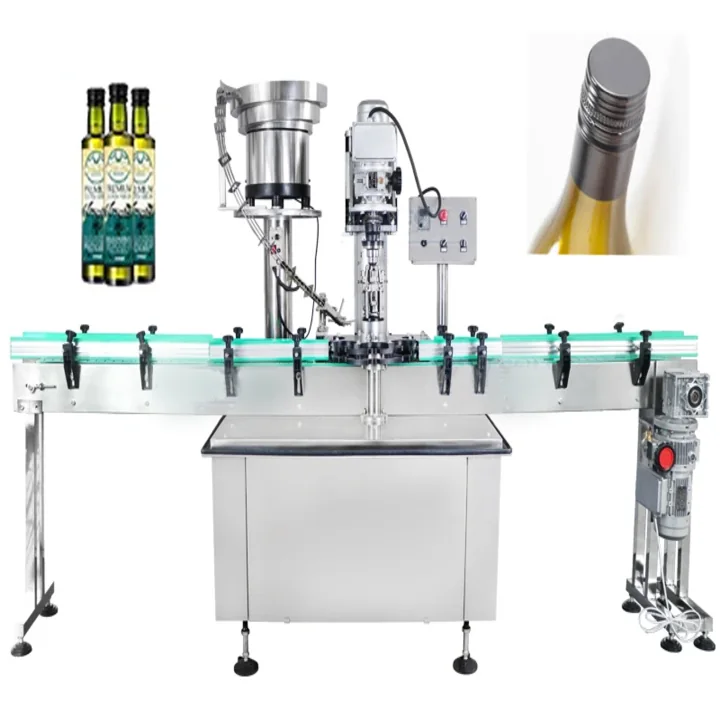
Package and closureCans need a seaming route; glass bottles may need crown, screw or ROPP closure; PET bottles need the bottle and cap combination checked for pressure and presentation.
Output targetPublished speeds are a starting point only. Real output depends on fill behaviour, can or bottle handling, closure speed, operator rhythm and changeover requirements.
Oxygen sensitivityBeer, cider and some RTD products may need dissolved oxygen or TPO targets agreed as part of the trial and acceptance process.
Cleaning and changeoverFlavour changes, sugar content and allergens can affect the cleaning method and whether CIP-ready pipework or manual strip-down access is required.

For a project review, send product, pack, closure, temperature, carbonation and target output details through the carbonated filler enquiry form.

Machine route comparison

Choose the machine route from container, carbonation and closure evidence.

A carbonated drink filling machine shortlist should separate bottle filling, can filling and full-line integration before output is discussed. The same drink can need different handling if it is packed into PET, glass or aluminium cans, because pressure control, container stability, closure timing and downstream accumulation change.

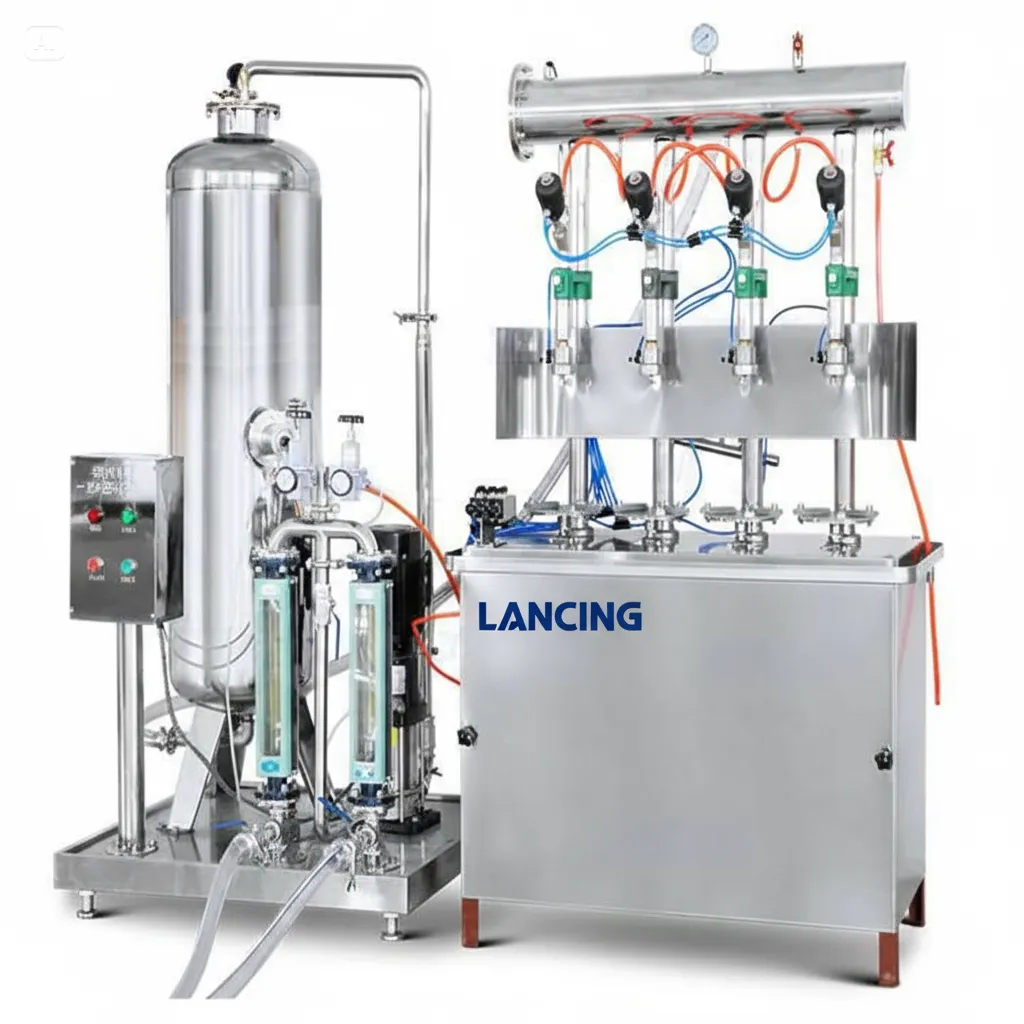
Compact can productionThe semi-automatic isobaric can route is the verified compact option, with the current source listing four filling heads and an indicative 240–400 cans/hour subject to product, can and setup conditions.
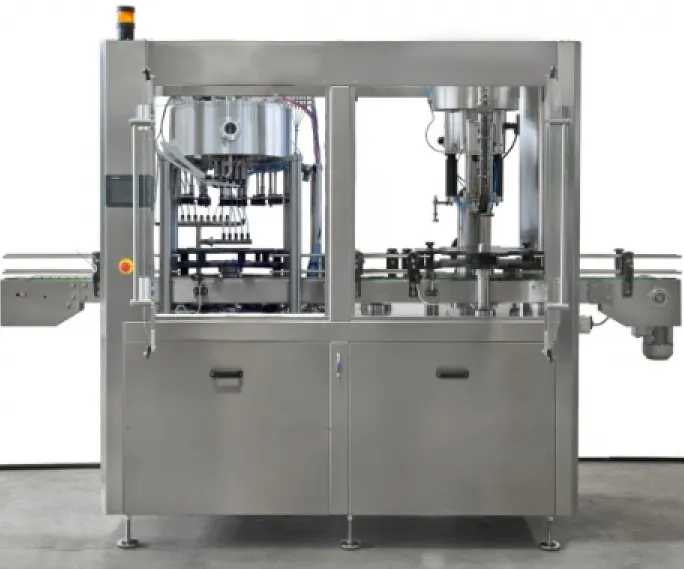
Automatic bottle fillingAutomatic isobaric routes should be confirmed from bottle format, carbonation target, temperature, closure and rinsing/capping requirements rather than unsupported headline speed claims.
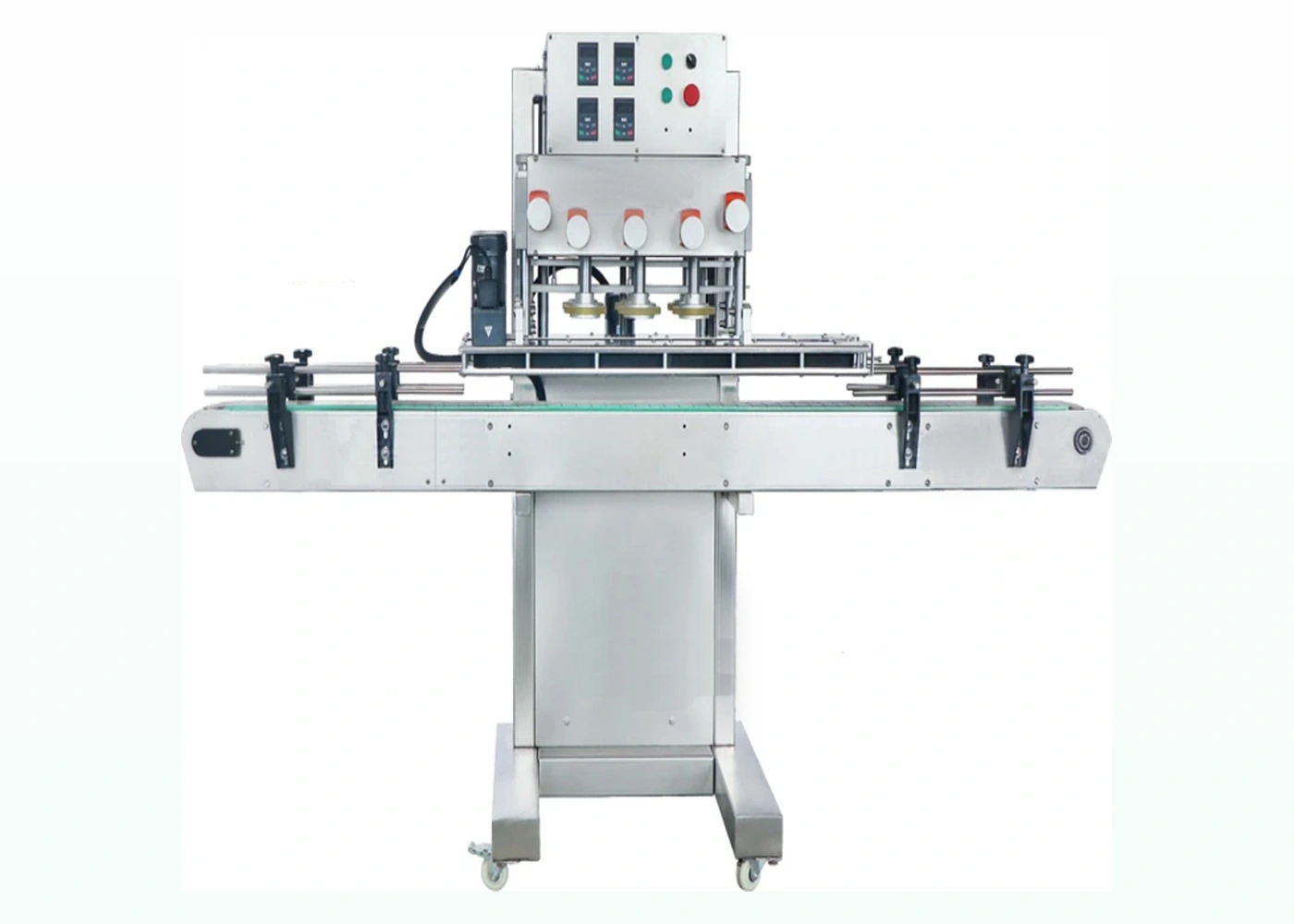
Complete line projectsFiller, crowner, capper or seamer, conveyors, coding, labelling and inspection should be reviewed as one linked process so foam control is not lost after filling.

Deeper route selection

Shortlist the machine from the process risk.

A compact can filler, automatic isobaric bottle filler or complete line can each be correct in the right case. The deciding factors are usually product temperature, carbonation, foam, oxygen target, container stability, closure timing, cleaning and available operators.

Filling sequenceReview counter-pressure fill valve selection before comparing head count alone.
Product preparationUse the carbonator and mixer integration guide where carbonation or mixing is part of the line.
Trial evidenceUse the sample trial protocol to agree fill, foam, closure and pack-quality checks.

Questions buyers ask

Questions that separate a machine specification from a headline speed.

A machine route is credible only when product behaviour, package handling and the closure stage are considered in the same operating sequence.

Which machine constraint usually sets the real line output?

The real line output is set by the slowest repeatable stage under the agreed product and package conditions. That stage may be filling, container loading, cap or crown placement, can seaming, discharge accumulation or operator handling. A useful specification therefore defines an accepted packs-per-hour result for the complete route, together with the drink temperature, carbonation, pack size and intervention assumptions used during the test.

When is a dedicated bottle or can machine preferable to a combined route?

A dedicated route is often preferable when one package accounts for most production, output must remain high, changeover time is tightly controlled or the closure system requires substantially different handling. A combined bottle-and-can route can be useful when production is varied and flexibility has more value than maximum continuous output. The decision should include change parts, recipes, operator tasks, cleaning and validation for both package families.

Does adding more filling valves always increase usable output?

No. More filling valves increase available filling positions, but usable output also depends on product supply stability, equalisation and settling time, container presentation, closure equipment, conveyors and quality checks. If the seamer, capper or operator cannot accept the discharge rate, additional valves may not improve the finished-pack result. Valve count should be evaluated as one part of the whole cycle and line balance.

What should be confirmed before comparing two carbonated filling machine quotations?

Confirm that both quotations use the same drink, carbonation and temperature assumptions; the same container and closure range; the same definition of output; and the same scope for rinsing, purging, capping or seaming, conveyors, controls, installation and acceptance testing. Also identify exclusions and operator tasks. Two machines that look similar in a photograph may represent different production responsibilities and therefore are not directly comparable.

Continue with the factors that affect usable output, combined bottle-and-can capability, and the existing comparison matrix, or send the product and package details to Lancing for an application review.