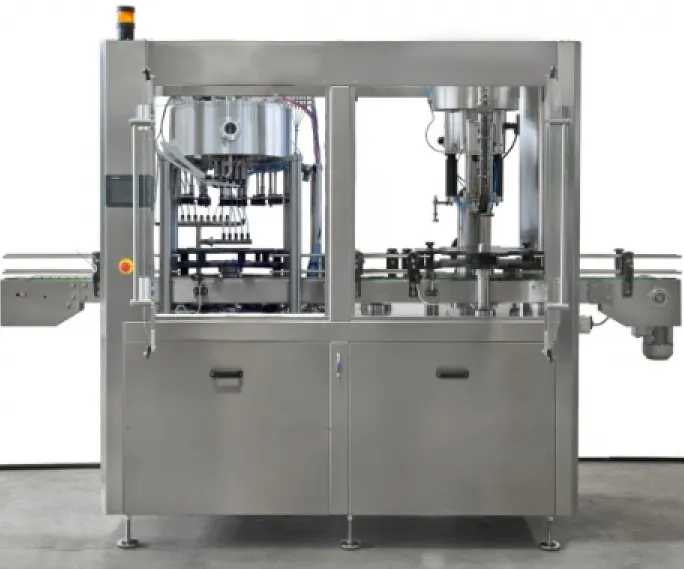
Carbonated can filling machines

Counter-pressure can fillers for carbonated drinks.

Plan can filling for soda, sparkling water, beer, cider, seltzer and RTDs with filling, seaming and changeover requirements reviewed together.

Can projects

Designed around foam control, CO₂ retention and stable can handling.

Cans move differently from bottles and need a reliable transition from filling to seaming. The filling specification should therefore include can format, lid/end details, product temperature, carbonation and operator workflow.

  • Common can sizes such as 330 ml, 440 ml and 500 ml can be reviewed
  • Compact counter-pressure filling routes suit development and small-to-mid scale output
  • Filling and seaming should be considered as one production step
  • Change parts and can moulds need to match the agreed formats

Application focus

Can filling applications.

Soda and soft drinks

Pressure-controlled filling for carbonated flavours and clean fills.

Sparkling water

Simple product, demanding carbonation control and presentation.

Beer and cider

Foam and oxygen-control requirements should be reviewed early.

RTD cocktails

Useful where small batches, multiple SKUs and changeovers are common.

Integration

Move from a filler to a complete canning route.

A standalone filler may be enough for a pilot line, but production usually benefits from planning infeed, filling, seaming, date coding, labelling or sleeving, accumulation and end-of-line packing as connected steps.

Entry routeCompact counter-pressure can filler with operator handling.
Growth routeMulti-head filling with improved transfer and downstream equipment.
Complete routeFilling, seaming, coding, labelling and packing with conveyors and controls.

Start with a practical shortlist

Plan a carbonated can filling route

Send your can size, drink type, lid/end details, target output and whether a seamer or downstream packing is already in place.

Carbonated filler FAQs

Questions buyers ask before specifying a machine.

What matters most in carbonated can filling?

CO₂ retention, foam control, can size, lid/end handling, seaming compatibility and output target all need to be reviewed together.

Can one can filler handle multiple can sizes?

Often yes, but format range depends on tooling, can diameter, can height, fill volume, lid compatibility and how often changeovers are required.

Do I need a seamer with a can filler?

For cans, filling and seaming should be planned together. The filler output and can transfer into the seamer affect reliability and finished pack quality.